
consultation hotline:0757-23306958
consultation hotline:0757-23306958

There are many ways to test cleanliness:
1. Weighing method:
The unwashed substrate is weighed and recorded (A value), the substrate is dried and weighed and recorded (B value) after cleaning with a cleaning agent, and the cleaned substrate is then soaked in a solvent cleaning agent for thorough cleaning (trichloroethylene) ultrasonic process for ten minutes, and then dried and weighed and recorded (C value). The cleanliness percentage is obtained through the formula: (A-C) -B =% Best effect: A value is 100g, B value is 90g, C value is still 90g, indicating that the weight of the oil stain is 10g, then the cleanliness is 100%; A value is 100g, B value is 92g, C value is still 90g, the manual is found to have 2g of oil stain that has not been cleaned after solvent cleaning, indicating that the cleanliness is 80%; the weighing method should be the best cleanliness test method.
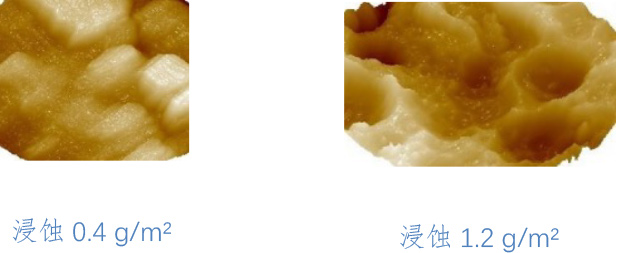
2. Wiping method:
After the substrate is degreased and dried, use white or solid-colored oil-absorbing paper to wipe the surface of the substrate. If there are no oil spots or black putty, it can be regarded as qualified for degreasing.
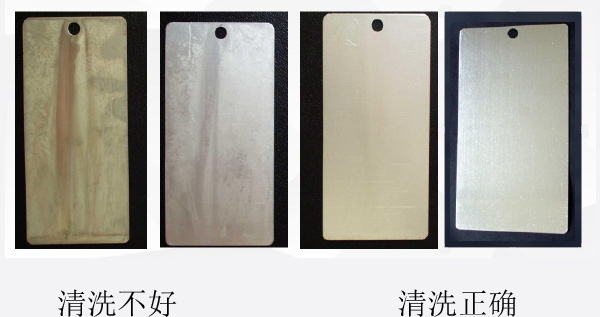
3. Visual inspection (most commonly used):
The instant the substrate is degreased and rinsed, the water should be left flat, rather than squeezed into water or particles.
Service Hotline:0757-23306958
contact information:138 2346 0688 Mr. Li
fax:0757-23306758
email:ljj3818556@163.com
address:Foshan City, Shunde Chencun, Lezhu Xinyuan West Road
Scan to follow us
Copyright © 2021-2026 Foshan Junhu Surface Technology Co., Ltd. All Rights Reserved.  Technical Support:
 海纳创联
海纳创联
 English


